
Moving Checklist for Toronto: An 8-Week Plan for a Calm Move
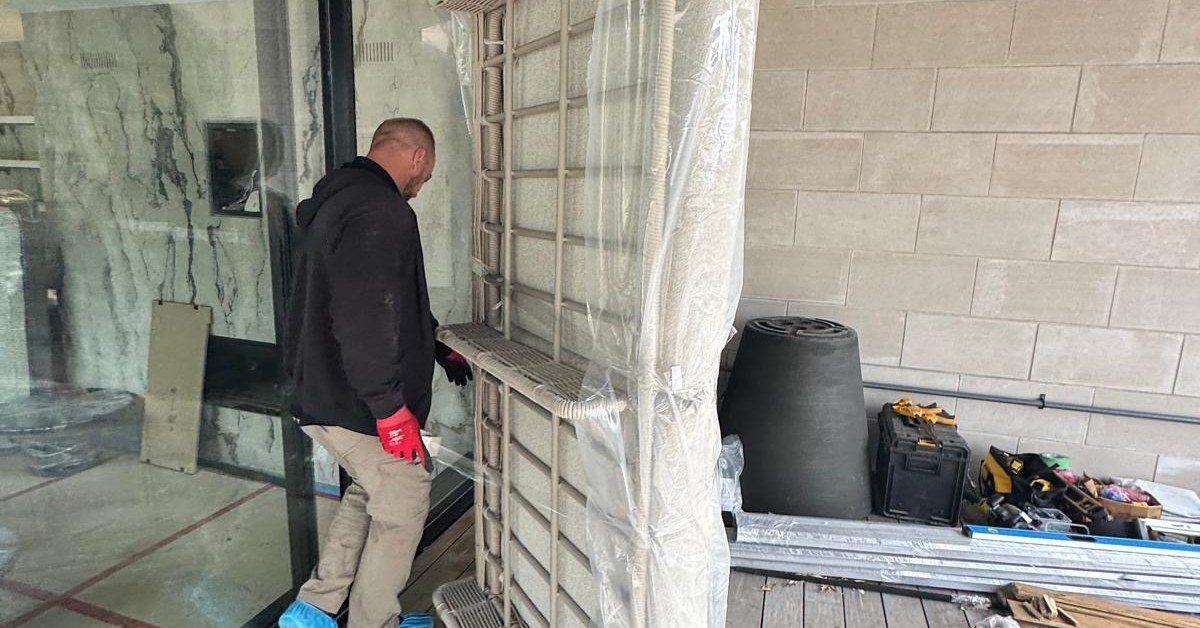
Most moving-day stress comes from things that could have been booked weeks earlier: the elevator, the movers, the internet, the parking. This checklist spreads the work over eight weeks so the last few days are about packing the kettle, not chasing confirmations.
Moving in Toronto has its own rhythm: busy month-ends, condo elevator rules, street parking and winter weather. Use this checklist to plan your move week by week.
8 weeks before
- Pick your moving date. Mid-week and mid-month dates are easier to book than Fridays and the last day of the month.
- Get moving quotes. Ask for a written quote and check what's included: crew size, truck, protection, disassembly, packing. Our moving packages start from $130/hour.
- Start decluttering. Every item you don't move is time you don't pay for. Sell, donate or recycle what you won't use.
- Make an inventory of large pieces: sofas, beds, wardrobes, dining tables, appliances, anything heavy or fragile.
6 weeks before
- Book your movers and confirm the date in writing.
- Read the building rules if you live in a condo or apartment, at both addresses. Ask about elevator bookings, moving hours, deposits and certificates of insurance. Our condo moving checklist covers this in detail.
- Measure the new place. Check that your largest pieces will fit through doors, stairs and elevators, and plan where each one goes.
- Collect packing supplies: boxes in several sizes, tape, markers, packing paper, bubble wrap, mattress bags.
4 weeks before
- Book freight elevators and loading docks for both buildings.
- Arrange utilities: hydro, gas, water and internet for the new address, and end dates at the old one. Internet installs can take time to schedule, so book early.
- Start packing rooms you use least: storage, guest rooms, books, seasonal clothes.
- Label every box with the room and a short list of what's inside.
2 weeks before
- Update your address with your bank, employer, insurance, subscriptions and government accounts, and set up mail forwarding with Canada Post.
- Confirm the moving time and send your movers the elevator booking times and any certificate of insurance requirements.
- Arrange parking for the truck. In Toronto, check whether a street occupation or parking permit is needed for your street.
- Plan for kids and pets on moving day.
1 week before
- Pack everything except daily essentials.
- Disassemble what you can if you chose the Basic package, or leave it for the crew if you chose Plus or Premium.
- Defrost the freezer and empty the fridge.
- Pack an essentials box you'll keep with you: documents, medication, chargers, toiletries, a change of clothes, basic tools, snacks.
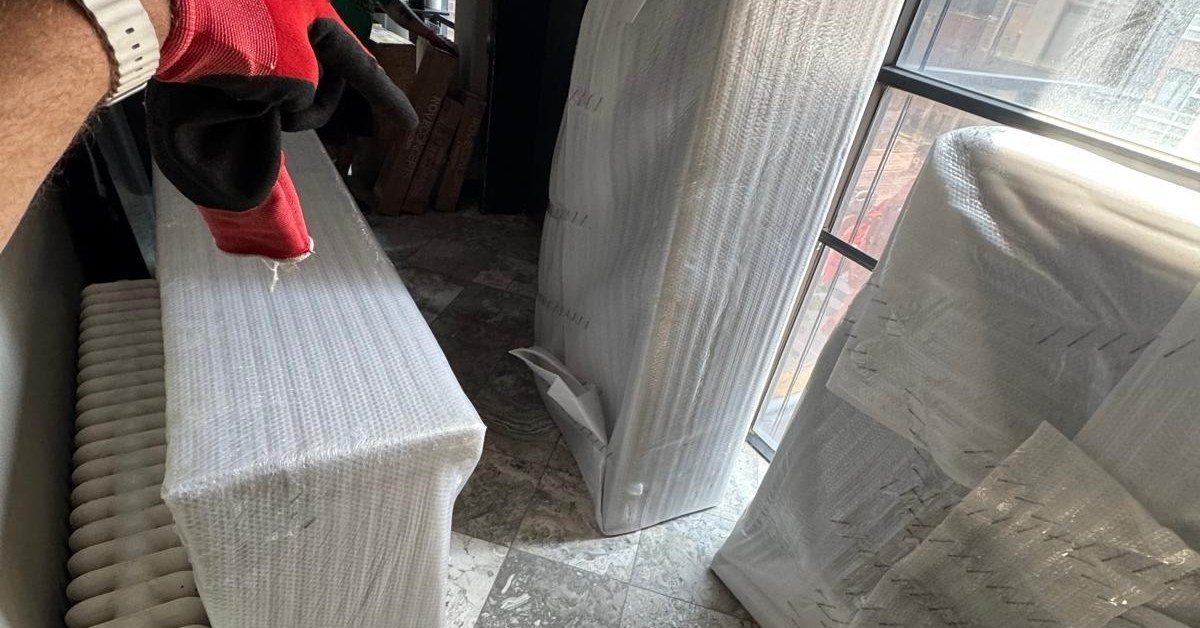
Moving day
- Keep phones charged and booking confirmations handy.
- Walk the crew lead through the home and point out fragile or valuable items.
- Keep valuables, jewellery and documents with you.
- Do a final walkthrough: closets, cabinets, balcony, storage locker.
- At the new home, tell the crew where large pieces go, so everything is placed once.
After the move
- Check furniture and boxes for damage and report anything right away.
- Unpack the kitchen and bedrooms first.
- Update your driver's licence and health card address.
- Recycle boxes or keep a few for the next move.
Want to skip the packing?
If eight weeks of planning sounds like a lot, our Premium package is fully turn-key: we pack, move, reassemble and set up everything, and remove the packaging. Get a free quote or read how moving costs are calculated in Toronto.
Room-by-room packing checklist
Kitchen
- Pack rarely used items first: baking dishes, serving platters, small appliances.
- Wrap plates individually and stand them on edge in the box, like records.
- Wrap glasses in paper and fill gaps so nothing moves.
- Use small boxes for heavy items like pots and cans.
- Keep a "first night" kitchen box: a pot, a pan, plates, cutlery, mugs, dish soap, a towel.
Living room
- Remove light bulbs and lampshades; pack shades separately.
- Take photos of cable connections before unplugging TVs and electronics.
- Pack books in small boxes; they get heavy fast.
- Wrap framed art and mirrors in blankets or bubble wrap and mark them "fragile".
Bedrooms
- Use wardrobe boxes for hanging clothes.
- Leave clothes in dresser drawers only if your movers say it's fine; heavy dressers are harder to carry.
- Bag mattresses to keep them clean.
- Keep bed hardware in a labelled bag taped to the frame.
Bathroom
- Seal liquids in zip bags and pack them upright.
- Keep medication and daily toiletries in your essentials box.
Storage, garage and balcony
- Empty fuel from lawn mowers and dispose of chemicals safely; movers generally can't transport hazardous materials.
- Clean and dry outdoor furniture before it goes on the truck.
- Check your storage locker. In condos it's easy to forget.
Moving checklist for families with kids
- Tell the school about your move and ask for records to be transferred if the kids are changing schools.
- Pack a box of toys, books and bedding for the first night, and keep it with you.
- Arrange childcare for moving day if you can; it's safer and less stressful.
- Set up kids' rooms first at the new home so they have a familiar space.
Moving checklist for pets
- Book a pet sitter or keep pets in a quiet, closed room on moving day.
- Update microchip and pet licence details with your new address.
- Keep food, water, leashes and medication in your essentials box.
Moving checklist for condo moves
Condo moves add extra steps: elevator bookings, moving hours, deposits and certificates of insurance at both buildings. Use our full condo moving checklist.
Common moving mistakes to avoid
- Booking movers too late, especially for month-end or summer dates.
- Not measuring the new home. Furniture that doesn't fit wastes time and money.
- Underestimating packing time. Most people need more time than they expect.
- Using boxes that are too large. They get too heavy and break.
- Forgetting the elevator booking in condos and apartments.
- Not labelling boxes. Unlabelled boxes slow down unloading and unpacking.
- Packing documents and valuables on the truck. Keep them with you.
Moving checklist printable summary
8 weeks: date, quotes, decluttering, inventory 6 weeks: book movers, building rules, measure, supplies 4 weeks: elevators and docks, utilities, start packing 2 weeks: address changes, confirm movers, parking, kids and pets 1 week: finish packing, disassembly, fridge, essentials box Moving day: confirmations, walkthrough, valuables with you After: check for damage, unpack essentials, update ID
Change of address checklist for Ontario
Updating your address is easy to forget until a bill goes to the wrong place. Make a list and work through it in the two weeks before the move:
- Canada Post mail forwarding, so mail follows you for the first months.
- Government accounts: your driver's licence and health card through ServiceOntario, and your address with the Canada Revenue Agency.
- Bank, credit cards and investments.
- Employer and payroll.
- Insurance: home or tenant insurance, car insurance and life insurance.
- Utilities and internet at both addresses.
- Doctors, dentists and pharmacies.
- Schools and daycare.
- Online shopping, subscriptions and delivery apps.
- Vehicle registration and parking permits.
Check the official websites for the exact steps and deadlines for each government update.
Moving supplies checklist
If you're packing yourself, gather these before you start:
- small, medium and large boxes, plus wardrobe boxes;
- packing tape and a tape gun;
- markers and labels;
- packing paper and bubble wrap;
- mattress bags and sofa covers;
- zip bags for hardware, screws and small parts;
- a basic tool kit for disassembly;
- garbage bags for soft items and donations.
Small and medium boxes are the most useful. Large boxes are only for light items like bedding and pillows.
How to label boxes so unpacking is easy
- Write the room on the top and on two sides of every box.
- Add a short list of what's inside.
- Mark fragile boxes clearly.
- Number boxes and keep a simple list, so you can check nothing is missing.
- Use a different colour for each room if you want to make unloading even faster.
At the new home, put a matching label on each room's door, so the crew knows where every box goes.
Frequently asked questions
How early should I start planning a move in Toronto?
Around eight weeks ahead is a comfortable timeline. For summer and month-end moves, book movers even earlier.
When should I book movers?
As soon as you know your date. Month-end, weekends and summer dates fill up first.
Do movers take apart furniture?
It depends on the package. In our Plus and Premium packages the crew disassembles and reassembles furniture. In Basic, you prepare furniture yourself.
What should I not pack in the moving truck?
Documents, medication, jewellery, cash, laptops and anything irreplaceable should travel with you. Hazardous materials like fuel, propane and paint thinner generally can't go on a moving truck.
Do I need a parking permit for a moving truck in Toronto?
It depends on your street and building. Check the City of Toronto's rules for your area and ask your building where a truck can park.
How much does a move cost in Toronto?
Our moving rates start from $130/hour. A typical local move takes about six hours. Read how much movers cost in Toronto.
How many boxes do I need?
It depends on the size of your home and how much you own. Start with more small and medium boxes than you think you need; they're the ones that run out first.
Should I pack the night before?
No. The last night is for your essentials box and the final things you use every day. Everything else should be packed and sealed earlier, so the crew can start loading as soon as they arrive.
What should I do with food?
Use up frozen and fresh food in the weeks before the move, and donate unopened non-perishables you don't want to move. Pack a small cooler for the first day.
How do I protect floors at the new home?
Professional movers lay floor protection along the route. If the new home has freshly finished floors, mention it in advance so the crew brings extra protection.
Do movers bring boxes?
It depends on the package. In our Premium package the crew packs everything and brings the materials. In Basic and Plus, ask what's included when you book.
Movers in Toronto and the GTA
We move homes, condos and offices in Toronto, North York, Etobicoke, Scarborough, Mississauga, Brampton, Vaughan, Markham, Richmond Hill and Oakville. Use this moving checklist to plan, and let our crew take care of the heavy lifting on moving day.
Ready to book your move? Send us both postal codes and your date for a free written quote.
See Our Services Call Us: (647) 916-6381