
Moving Heavy Furniture in Toronto: Marble, Sectionals and More
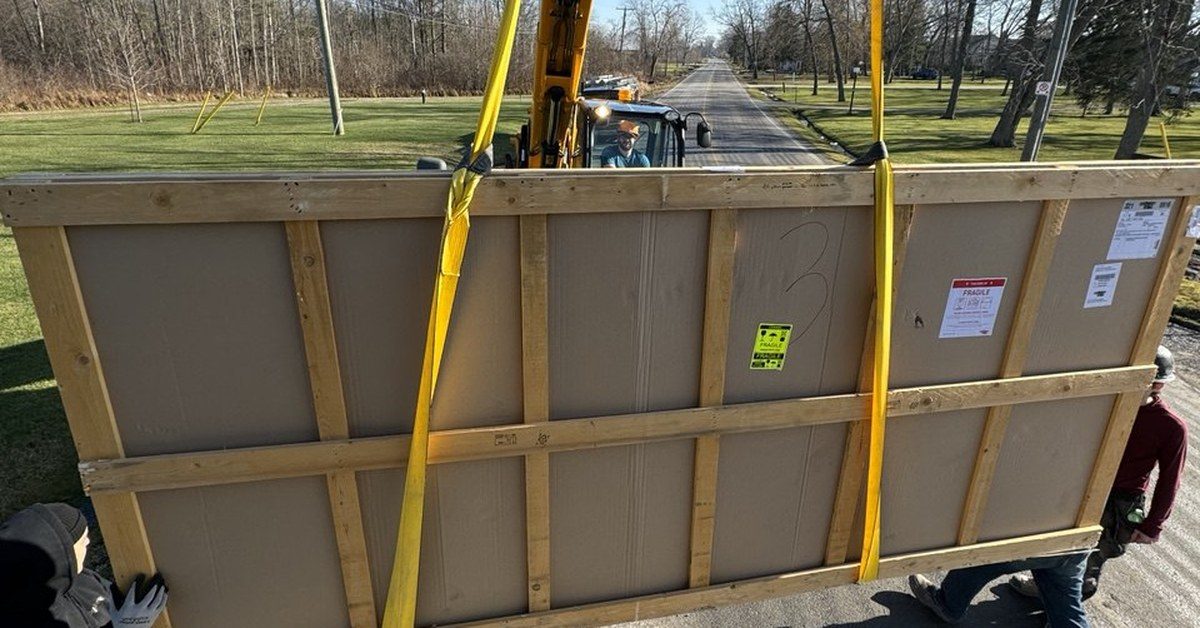
Every move has one piece that makes the crew stop and plan: the marble dining table, the sectional that came in through the window, the wardrobe that's wider than the stairwell. Heavy items are where moves go wrong, and where the right planning matters most.
Most furniture can be moved with blankets, a dolly and a careful crew. Some can't. Heavy and oversized pieces need a plan before moving day: the right number of people, the right equipment and a route that works.
At Grey Peacock, heavy access is our specialty. We install high-end furniture for retailers and designers, so marble, stone and large pieces are part of the everyday job.
Marble, stone and glass tables
Stone and glass tops are heavy and brittle. They can crack if they're carried flat or set down on a corner.
- Separate the top from the base whenever possible. Bases are often bolted on.
- Carry tops on edge, not flat, like a sheet of glass. Flat carrying puts stress on the middle.
- Use padded A-frames or crates for transport, with the top upright and strapped.
- Protect edges and corners with foam or cardboard corners; they chip first.
- Plan the people. Large stone tops need a crew sized for the weight.
Large sectionals and sofas
Sectionals usually come apart into modules. The connecting brackets are easy to lose, so they go into a labelled bag taped to the piece.
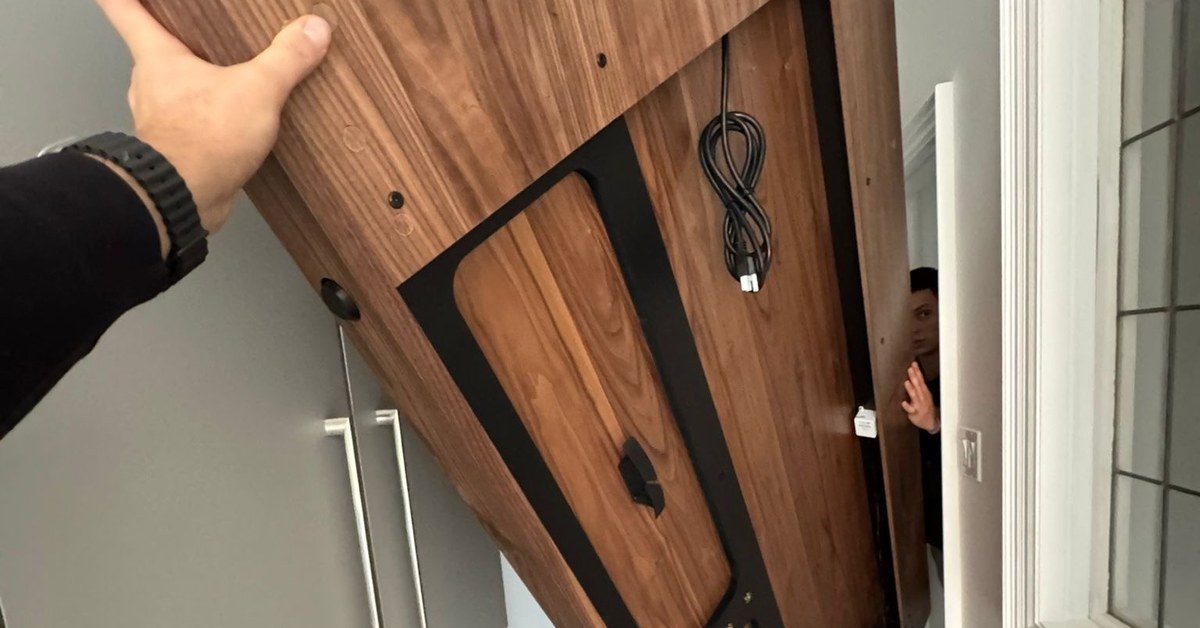
For one-piece sofas, the question is the route: door width, hallway turns, stairwell height and elevator size. A sofa that came in during construction or before a renovation may not go out the same way. Sometimes the legs, arms or back come off; sometimes a hoisting route is the only option.
Wardrobes, armoires and bed frames
Tall pieces are taken apart when the design allows it: doors, shelves and drawers out, panels flat-packed and labelled. Large platform and storage beds are disassembled and their hardware is bagged. Glass and mirrors are wrapped separately.
Gym equipment and specialty items
Treadmills, home gyms, safes and large appliances can be very heavy for their size. They are moved on appliance dollies with straps, and some need partial disassembly. Let your mover know about them in advance, so the right crew and equipment show up.
When a piece won't fit: hoisting
When a piece can't go through the stairs, the door or the elevator, it can often go through a window or over a balcony railing. Hoisting is planned in advance:
- measuring the window or balcony opening;
- checking the anchor points and the ground below;
- protecting the piece with blankets and straps;
- following the building's rules, especially in condos.
We plan hoisting and rope-assisted moves for the pieces other movers turn down, in any season.
How to prepare heavy items for your move
- Make a list of every heavy or fragile piece and send it to your mover with photos.
- Measure the tightest points on the route at both addresses.
- Find the original assembly instructions if you still have them.
- Clear a wide path on moving day.
- Don't try to move stone tops or large pieces yourself before the crew arrives; that's where most injuries and cracks happen.
What it costs
Heavy items take longer and sometimes need extra crew, so they affect the total time of the move. See how moving costs are calculated in Toronto. Heavy and specialty items can be added to any of our moving packages.
Moving a piano
Pianos are one of the heaviest and most delicate items in a home. Uprights are tall and top-heavy; grands are wide and have legs and lids that come off.
- Uprights are moved on a piano dolly, strapped and padded, and kept upright.
- Grand pianos usually have the legs and pedal lyre removed and are moved on their side on a padded piano board.
- Stairs need extra people and careful planning, and sometimes a different route.
- After the move, pianos often need tuning once they've settled into the new room.
Let your mover know about a piano when you ask for a quote, including the type and any stairs.
Moving appliances
Fridges, washers, dryers and ranges are heavy, awkward and have parts that can be damaged in transit:
- empty and defrost fridges and freezers at least a day ahead;
- disconnect water and gas lines (gas should be handled by a qualified technician);
- secure washer drums with transit bolts if you still have them;
- tape doors closed and protect finishes with blankets.
Moving safes and heavy metal pieces
Safes and gun cabinets can be extremely heavy for their size. They're moved on heavy-duty dollies, with extra crew, ramps or stair-climbing equipment where needed. Floors at both ends need protection, because the weight is concentrated on a small area.
Protecting your home while moving heavy items
Heavy items are what usually damage floors, walls and door frames. Ask your movers how they protect:
- Floors: runners, floor protection boards or blankets along the route;
- Door frames and corners: padded corner guards;
- Railings and stairs: padding on banisters and steps;
- Elevators: padded elevator walls in condos and offices.
Why people get hurt moving heavy furniture
Most moving injuries happen when people try to move heavy pieces without the right technique or equipment:
- lifting with the back instead of the legs;
- carrying a heavy piece down stairs without someone below guiding it;
- not having enough people for the weight;
- moving stone or glass flat, so it cracks and cuts.
If a piece is heavy, fragile or valuable, it's worth leaving it to professionals.
Do you need special insurance for heavy or valuable items?
For very valuable pieces such as antiques, art, designer furniture and pianos, ask your mover how they are covered and whether you should declare them in advance. Check what your home insurance covers during a move as well.
Heavy furniture moving checklist
- List every heavy or oversized item with photos and approximate size
- Measure doors, stairwells, hallway turns and elevators at both addresses
- Tell your mover about pianos, safes, stone tops and gym equipment
- Check if any piece needs disassembly or hoisting
- Clear the route and remove rugs
- Keep kids and pets away from the route on moving day
How common heavy pieces are taken apart
Dining tables
Most dining tables have a top that unbolts from the base or legs. Extension leaves come out and travel separately. Stone and glass tops always travel separately from the base.
Beds
Bed frames, headboards and storage beds come apart into rails, slats and panels. Hardware goes into a labelled bag taped to the headboard. Mattresses are bagged.
Wardrobes and armoires
Doors and shelves come out first. Flat-pack wardrobes can often be partly disassembled; solid wood armoires may have removable crowns, bases or doors.
Sectionals and sofas
Modules separate at their connecting brackets. Legs unscrew on many sofas, which can save a few centimetres in a tight doorway.
Desks and shelving
Desks with returns or hutches separate into sections. Large shelving units are emptied and taken apart, and glass shelves are wrapped separately.
Tools and equipment professional movers use
For heavy and oversized furniture, the crew brings more than blankets:
- furniture dollies and appliance dollies with straps;
- moving blankets and shrink wrap for protection;
- lifting straps to share weight between two movers;
- A-frames and padded crates for stone and glass tops;
- piano boards and piano dollies;
- floor protection runners and corner guards;
- ropes and hoisting equipment for window and balcony moves;
- tool kits for disassembly and reassembly.
The right equipment protects the furniture, your home and the crew.
How to tell if a piece will fit
Measure the piece's height, width and depth, then measure every opening on the route. For sofas, the diagonal depth matters: tilting a sofa on its end lets it pass through openings narrower than its length. If a measurement is close, tell your movers, so they can plan disassembly or an alternative route instead of finding out on the stairs.
Frequently asked questions
How do movers move a marble table?
The top is usually separated from the base and carried on its edge, padded and strapped, then transported upright in a crate or on an A-frame. Edges and corners are protected with foam.
Can movers take furniture through a window?
Often yes. When a piece won't fit through doors, stairs or elevators, it can be hoisted through a window or over a balcony. It needs planning, the right equipment and, in condos, the building's approval.
Do movers disassemble large sectionals?
Yes. Most sectionals come apart into modules, and the connecting hardware is bagged and labelled.
Is moving heavy items more expensive?
Heavy items can take more time or need extra crew, which affects the total. Our rates are hourly, so you only pay for the time the move takes. Heavy and specialty items can be added to any package.
Can you move gym equipment?
Yes. Treadmills, bikes and home gyms are moved with appliance dollies and straps, and some need partial disassembly.
Do you move heavy furniture outside Toronto?
Yes. We move heavy furniture across the GTA, including Oakville, Vaughan, Richmond Hill and Mississauga, and across Ontario.
How many movers do I need for heavy furniture?
It depends on the weight, the route and the piece. Stone tops, pianos and large sectionals often need more than two people. Your mover should size the crew based on your inventory.
Can stone or glass tops crack during a move?
They can if they're carried flat, set down on a corner or transported without support. That's why they're carried on edge and transported upright in padded crates or A-frames.
Should I remove drawers and doors before the move?
Empty drawers and shelves before moving day. Leave removal of doors and hardware to the crew if you're on the Plus or Premium package, so everything is labelled and goes back together correctly.
What if a piece is damaged during the move?
Report it right away and take photos. An insured moving company can handle the claim. Always check that your mover is insured before booking.
Can you move a hot tub, pool table or large aquarium?
These need specialist planning and sometimes specialist movers. Tell us what you have, with photos and measurements, and we'll tell you honestly whether it's a job for our crew.
Do I need to empty a wardrobe or dresser before the move?
Yes, in most cases. Full furniture is much heavier and the contents shift, which can damage the piece. Pack the contents in boxes and let the crew move the empty piece.
Heavy furniture movers in Toronto
Whether it is a marble dining table in Forest Hill, a sectional in a North York condo or a piano in Oakville, we move the pieces that need extra care. Tell us what you have and where it's going, and we'll plan the people, the equipment and the route.
Have a piece other movers turned down? Send us a photo and the access details.
See Our Services Call Us: (647) 916-6381